

Finding safe and legal truck parking in Tucson can be one of the most difficult parts of a long haul. The city sits at the junction of major freight corridors, and demand for overnight spaces often peaks at the exact time drivers are required to stop under Hours of Service (HOS) rules. When lots fill up, decisions become rushed and rushed parking decisions increase operational risk.
This guide focuses on practical, field-tested truck parking hacks that help drivers secure safer spaces, reduce tampering risk, and stay compliant. These are realistic strategies designed for busy evenings, tight schedules, and real-world freight pressure.
Key Takeaways
- Arriving earlier significantly increases your chances of finding secure truck parking in Tucson.
- Always identify at least two backup parking options before entering the metro area.
- Lighting, visibility, and exit access are more important than convenience.
- A short, consistent “secure the rig” routine reduces theft and tampering risk.
- Technology helps, but it should complement planning, not replace it.
Why Truck Parking In Tucson Is More Challenging Than It Looks
Tucson is not just a stop along I-10, it is a freight connector between California, Texas, and the U.S.–Mexico border via I-19. That means traffic volumes are influenced by long-haul drivers, cross-border trade, regional distribution routes, and local delivery fleets all at once.
As a result, truck parking in Tucson is shaped by constant through-traffic as well as local freight activity, which increases competition for spaces throughout the day.
Parking shortages often happen because many drivers aim to stop within similar HOS windows. By late afternoon and early evening, major truck stops near interstates can reach capacity quickly. Without preparation, drivers may find themselves choosing between extended searching and settling for a less secure location.
Understanding this pattern is the first step to managing it.
Tip 1: Plan Parking The Same Way You Plan Fuel
Experienced drivers know that fuel planning prevents unnecessary detours. Parking deserves the same level of structure. Instead of aiming for a single stop, create a three-tier plan before reaching Tucson:
- Primary stop: your preferred location based on timing and route.
- Backup A: a stop 20–30 minutes before your primary location.
- Backup B: a stop 20–30 minutes beyond it.
This approach prevents last-minute stress if your first choice is full and keeps you compliant without scrambling for unsafe alternatives.
Tip 2: Adjust Your Arrival Window When Possible
Even small changes to your daily schedule can make a difference. Most parking congestion occurs during predictable windows; typically late afternoon through evening. If your load and receiver timing allow flexibility, arriving slightly earlier improves your chances of finding a well-lit, well-positioned space.
An earlier stop often means better spot selection, safer positioning, and less time spent circulating crowded lots.
Tip 3: Choose Positioning Over Convenience
When selecting a space, do not prioritise the closest available opening. Instead, look for characteristics that reduce risk and simplify departure.
A strong parking position typically includes:
- Clear lighting coverage
- Visibility from the main building or camera systems
- Straightforward exit routes
- Minimal blind corners or isolation
Avoid spots that box you in or require difficult manoeuvres to leave. A safe departure matters just as much as a safe arrival.
Tip 4: Park To Reduce Tampering Risk
Cargo theft is an obvious concern, but tampering can be equally disruptive. Broken seals or opened trailer doors can delay deliveries and complicate claims.
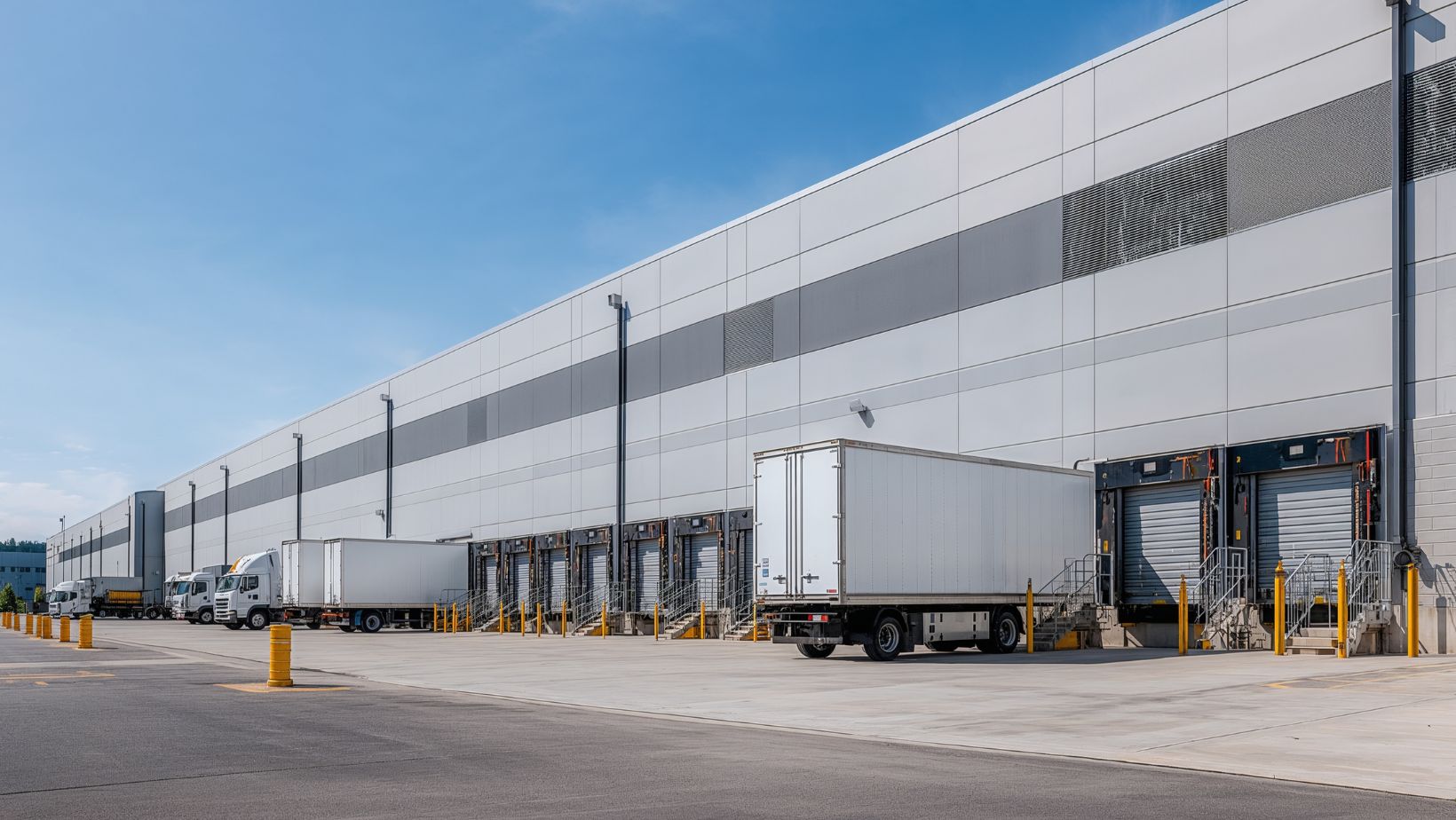
Practical positioning tips include:
- Back trailer doors close to a barrier where appropriate and legal.
- Avoid isolated edges of lots where visibility is low.
- If bobtailing, park where the cab remains visible and unobstructed.
The goal is deterrence. Well-positioned rigs are less attractive to opportunistic interference.
Tip 5: Build A 60-Second Secure-The-Rig Routine
Consistency reduces mistakes, particularly when fatigue sets in. A simple end-of-day checklist helps prevent avoidable incidents.
Your routine should include:
- Locking cab doors and confirming windows are closed
- Checking trailer seals and door security
- Verifying glad hands and fifth wheel connections appear intact
- Completing a brief walk-around inspection
- Keeping valuables and paperwork out of sight
Taking one minute before resting can prevent hours of disruption later.
Tip 6: Use Technology Strategically
Mobile apps and parking platforms can help identify locations, but availability changes quickly. Treat digital tools as guidance rather than guarantees.
When using apps:
- Check recent driver comments rather than older reviews.
- Confirm whether spaces are paid, reserved, or first-come-first-served.
- Call ahead if you are relying on a specific facility late in the evening.
Real-time systems improve planning, but final judgement should always involve a visual check upon arrival.
Tip 7: Think About Tomorrow Before You Shut Down
One overlooked parking hack is forward planning. Before ending your shift, consider the next day’s route and likely stopping window.
Ask yourself:
- When will I realistically need to stop tomorrow?
- Where are the known congestion points along that route?
- Do I need to adjust departure timing to improve parking options?
Planning one day ahead reduces the chance of repeated late-night parking pressure.
What Safe Truck Parking Looks Like In Practice
A genuinely secure parking decision in Tucson usually includes:
- Clear designation for truck use or predictable overnight tolerance
- Adequate lighting and visibility
- Straightforward entry and exit routes
- Some level of oversight, whether cameras or steady legitimate activity
- Confidence that you will not be asked to move mid-rest period
Perfection is rare. The objective is to reduce risk while remaining compliant and operationally efficient.
Conclusion
Truck parking in Tucson presents challenges, but structured planning makes it manageable. Treat parking as a core part of your route strategy, not an afterthought. Arrive earlier when possible, identify backup options, use technology wisely, and follow a consistent security routine.
These practical habits reduce theft risk, support HOS compliance, and help maintain predictable delivery schedules. Over time, disciplined parking strategies protect both your equipment and your livelihood.
FAQ
How early should I plan to park in Tucson?
If possible, aim to stop before peak evening congestion. Earlier arrival improves space availability and positioning options. In many cases, arriving even 60–90 minutes earlier than the main evening surge can make the difference between multiple choices and very limited options. Planning your stop around predictable congestion windows reduces stress and helps you avoid last-minute compromises.
Are paid parking spaces worth it?
They can be, especially when they offer predictable availability and stronger security. The cost may be justified by reduced risk and saved time. If paying for a reserved or monitored space prevents extended searching or lowers the risk of theft and tampering, the operational savings can outweigh the nightly fee.
What matters most when choosing a spot?
Lighting, visibility, and easy exit access are more important than proximity to building entrances. A well-lit space within camera coverage or steady foot traffic is generally safer than a remote corner. You should also consider how easily you can leave in the morning without complex manoeuvres or blocked access.
What quick steps reduce overnight risk?
Use a consistent security routine: lock the cab, check seals, park in visible areas, and avoid isolated corners whenever possible. A short walk-around before resting helps confirm that doors, connections, and locks are secure. Building this routine into your end-of-day process lowers the chance of preventable incidents disrupting your next delivery.