
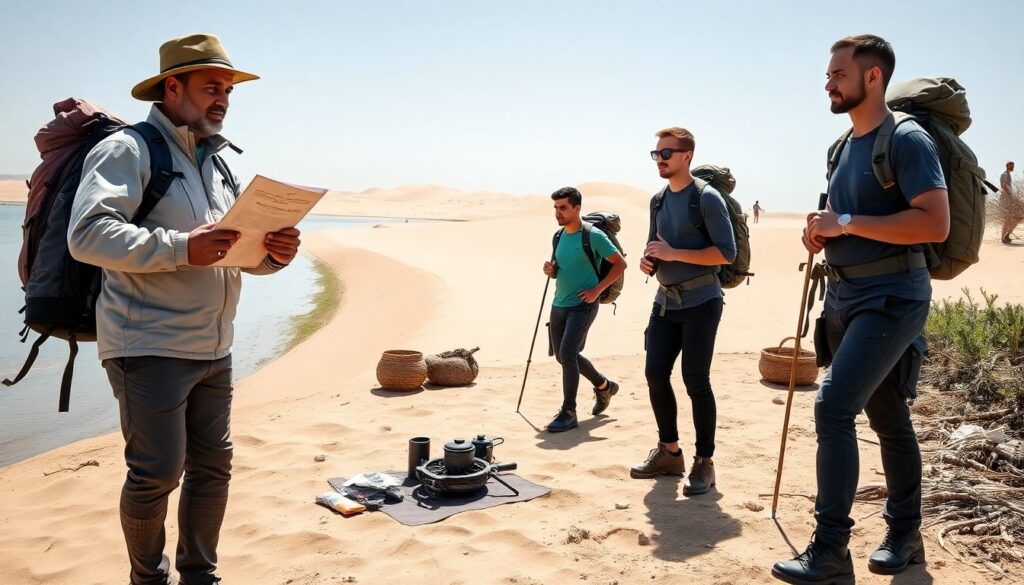
east coast explore trek saharahausa invites travelers to cross coastlines and desert in one trip. The trek blends beach walks, mangrove paths, village markets, and dune hikes. It suits fit hikers, adventurous families, and small groups who prefer guided trips. The guide lists route highlights, climate notes, a tight 4-day sample, and practical safety and permit steps.
Key Takeaways
- The East Coast Explore Trek SaharaHausa blends coastal and desert landscapes, offering a unique trekking experience over four days suitable for fit hikers and adventurous families.
- Travelers should plan the trek during the dry season from November to March, packing sun protection, lightweight layers, and adequate water for varying temperatures between coast and desert.
- Guided small groups handle navigation, permits, and logistics, allowing travelers to focus on hiking, cultural experiences in Hausa villages, and wildlife sightings in mangroves.
- Safety preparation includes carrying ID, emergency contacts, travel insurance, routine vaccines, a first-aid kit, and following strict water planning with guides providing caches every 8–12 miles.
- Respect for local customs, carrying cash for markets and tipping, and using appropriate gear such as supportive footwear and gaiters enhance both safety and cultural engagement on the East Coast Explore Trek SaharaHausa.
- Booking with knowledgeable guides ensures permit management, local insight, and a clear safety record, critical for a successful and secure trek.
What The East Coast Explore Trek SaharaHausa Is — Route, Highlights, And Who It’s For
The east coast explore trek saharahausa links a coastal town to an inland desert over compact terrain. The route follows beaches, mangrove flats, dirt roads, and sand dunes. Key highlights include sunrise on the shore, market visits in Hausa villages, birdlife in mangroves, and a multi-hour dune crest walk. The trek suits people who hike four to eight hours daily. The trek suits those who accept basic camping and simple meals. Guides lead small groups. They handle navigation, water planning, and local permits.
Best Time To Go, Climate Patterns, And Weather Preparation
Travelers choose the dry season for east coast explore trek saharahausa to avoid heavy rains. The dry season runs from November through March. Day temperatures reach 75–95°F near the coast and 85–105°F inland on hot days. Night temperatures drop 10–20°F in desert camps. They must pack sun protection, lightweight layers, and a wind shell. They should carry a hat, sunglasses, SPF 50, and rehydration salts. They should check local forecasts 48 hours before departure. Guides adjust the plan for high winds or flash rain.
Sample 4-Day Coastal-To-Desert Itinerary
This sample shows how east coast explore trek saharahausa fits in four active days. The plan keeps daily hiking reasonable and reserves time for local culture and photography. Guides move gear between camps. Travelers carry day packs only.
Safety, Permits, Health Precautions, And Practical Logistics
Organizers require basic permits for parts of the route. The guide secures those permits in advance. Hikers must carry ID and emergency contact details. They should hold travel or evacuation insurance that covers remote rescue. They must get routine vaccines and consult a clinic on travel medicines. They should bring a small first-aid kit, blister care, and any prescription medicines. Guides pack a satellite communicator or phone with local SIM where service exists. They leave a route plan with a local contact. Water planning matters most. The guide plans water caches or vehicle resupplies every 8–12 miles. They advise a minimum daily water allowance of 3–4 liters in moderate heat and more on hot days. Footwear must support sand and rocky stretches. The guide suggests gaiters to reduce sand in boots. They advise light, breathable clothing and a bandana for wind and dust. They recommend a small stove for hot drinks and simple meals. They remind travelers to respect local customs at villages and to ask before taking photos. They carry cash for small purchases and tipping. Finally, they recommend booking with a guide who shows local knowledge and clear safety records.