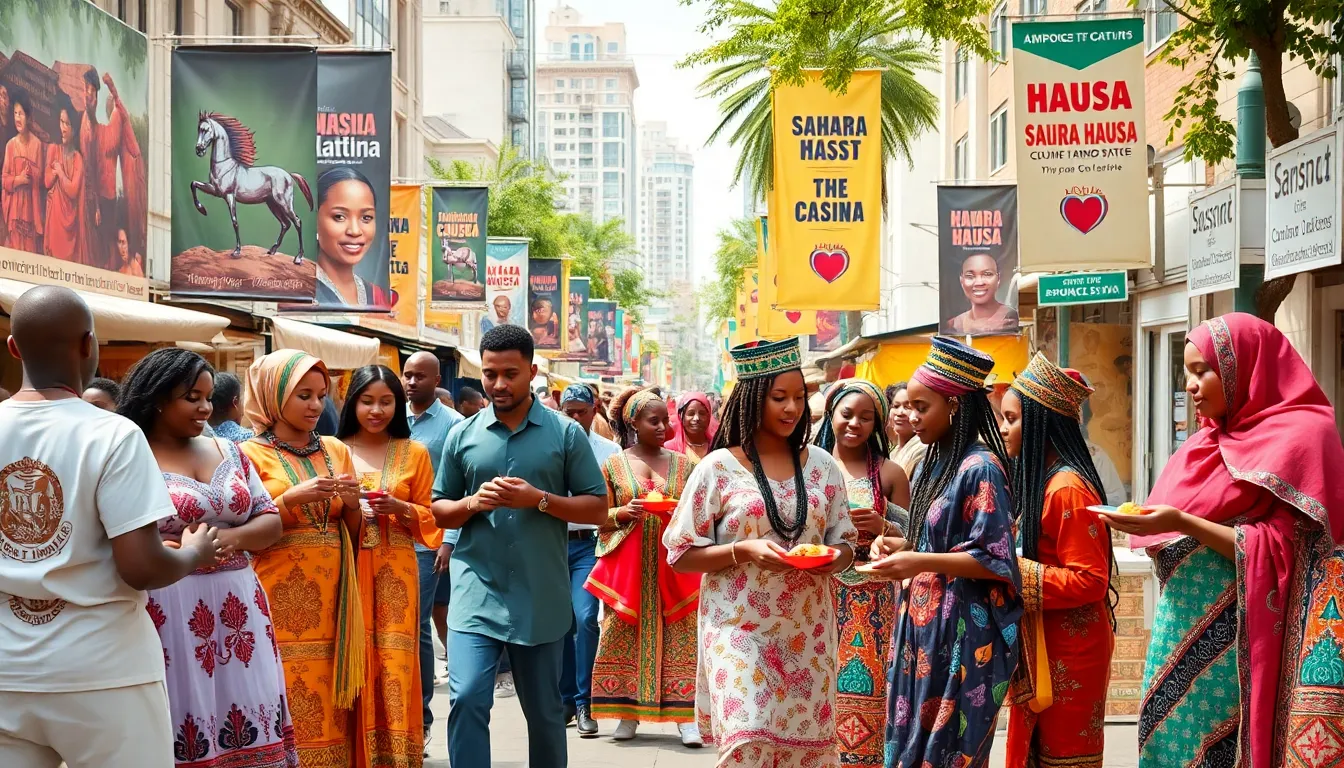
Sahara Hausa isn’t just a place: it’s a vibrant tapestry of culture woven through centuries. Picture bustling markets, ancient legends, and melodies echoing through the golden sands. Each thread tells a story that has shaped not only the region but also the hearts of those who embrace it. But what’s behind this enchanting name? Is it merely a distant memory of a once vibrant culture, or does it still have a pulse in today’s world? Let’s unpack the magic of Sahara Hausa, learn its significance, and explore the pressing challenges it faces. Strap in: it’s going to be an enlightening journey.
Sahara hausa.com
Historical Context of Sahara Hausa
Sahara Hausa has a rich history that dates back centuries. The Hausa people, primarily found in West Africa, have long been influential in trade, agriculture, and governance. They established prominent city-states that played pivotal roles in the trans-Saharan trade routes, facilitating the exchange of goods and ideas across vast distances. This interaction molded a unique cultural identity that continues to thrive today.
Also, the Hausa are renowned for their art, architecture, and intricate weaving techniques. The historic cities of Kano and Katsina are adorned with impressive mud-brick buildings that stand testament to their architectural prowess. It’s no wonder that Saharan culture has garnered admiration not just locally, but globally.
Modern Relevance of Sahara Hausa in Society
In today’s society, the relevance of Sahara Hausa extends beyond its geographical borders. The community’s customs, rituals, and languages contribute to the broader narrative of African heritage. The distinct Hausa language serves as a bridge, connecting millions across countries like Nigeria, Niger, and Ghana.
Also, with globalization, millennials of Hausa descent are blending traditional values with contemporary influences. This fusion creates a unique subculture that celebrates modernity while honoring their roots. Festivals celebrating Hausa culture are thriving, showcasing vibrant music, dance, and art that attract visitors from far and wide. In many ways, Sahara Hausa symbolizes resilience and adaptation in the face of the modern world.
Platforms and Channels of Sahara Hausa
Literature and Storytelling in Sahara Hausa
Storytelling is an art form deeply embedded in Sahara Hausa culture. Oral traditions pass down wisdom, history, and cultural values from one generation to the next. Elders often gather children around a fire, weaving tales that captivate young minds while imparting crucial life lessons. This interactive nature of storytelling fosters a sense of community and belonging.
In the modern era, writers and poets are emerging within the Sahara Hausa community, penning works that encapsulate the essence of their heritage. They explore themes of love, conflict, and identity, shedding light on both historical and contemporary issues. Social media platforms amplify these voices, allowing tales of the Sahara Hausa to reach global audiences, so preserving their literary legacy.
Music and Folklore of Sahara Hausa
Music is another vital channel for expressing the spirit of Sahara Hausa. The region’s traditional music, characterized by distinct rhythms and instruments, captivates listeners. Drumming, singing, and dancing are integral parts of festivals and celebrations, offering a lively sense of joy and connection among participants.
Folk tales often intertwine with music, as songs narrate stories of heroic figures and moral lessons. These melodies resonate with both young and old, acting as an emotional anchor that conveys shared experiences. Today, innovative musicians continue to blend traditional sounds with contemporary genres, ensuring that the music of Sahara Hausa remains relevant and cherished.
Challenges Facing Sahara Hausa Today
Preservation Efforts for Sahara Hausa
Even though its rich heritage, Sahara Hausa faces numerous challenges in the modern age. Globalization and urbanization threaten traditional practices, as younger generations become increasingly influenced by Western culture. This shift can lead to the erosion of cultural practices and languages, putting the future of Sahara Hausa in jeopardy.
Various organizations and community leaders are actively working towards preserving this invaluable heritage. Initiatives include workshops, cultural festivals, and educational programs aimed at instilling pride in Hausa identity among young people. Collaboration with global partners further enhances these efforts, providing resources and support necessary for preservation.
The Future of Sahara Hausa
As we look to the future, the survival of Sahara Hausa hinges on the community’s ability to adapt while upholding its cultural integrity. The blend of modern technology with traditional practices presents unique opportunities for cultural exchange and preservation.
Digital platforms enable the dissemination of Hausa literature, music, and stories to a broader audience, creating cross-cultural dialogues. Young creatives are at the forefront of this movement, utilizing social media to celebrate their heritage and inspire global appreciation.
Navigating this new terrain will require a collaborative approach, merging efforts from local leaders, global allies, and the enthusiastic youth passionate about their legacy. The future of Sahara Hausa is undeniably rich with potential, waiting to unfold as it steps boldly into the next chapter of its story.