
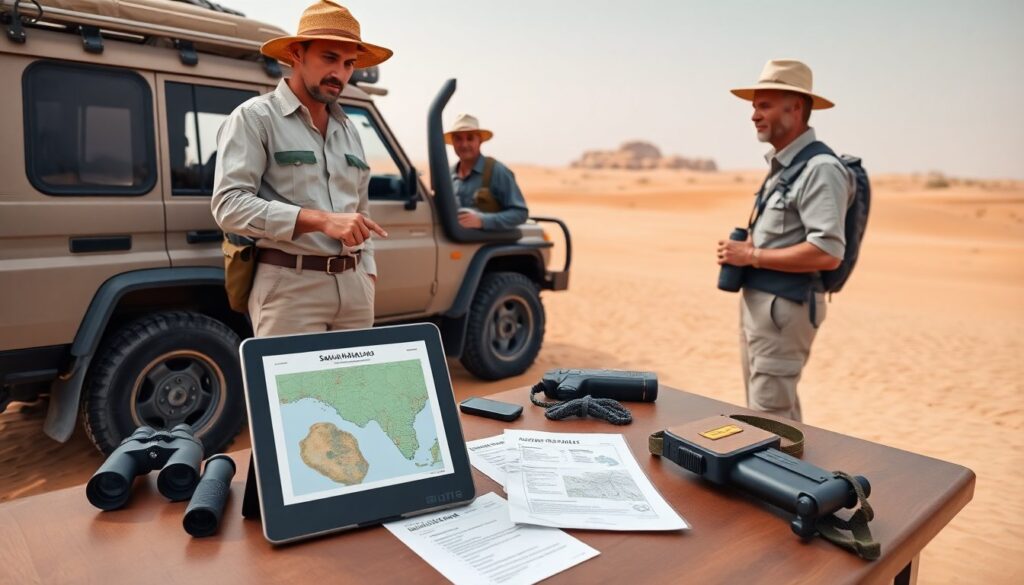
The article presents saharahausa rare wildlife tracking ebooks. It lists features, species, tracking methods, tools, ethics, and buying tips. It helps field researchers, guides, and hobbyists learn fast. It uses clear steps and practical advice. It highlights what each saharahausa rare wildlife tracking ebooks volume contains and how they assist trackers in the field.
Key Takeaways
- SaharaHausa rare wildlife tracking ebooks provide field guides, maps, and checklists to streamline tracking in Sahara and Hausa regions.
- These ebooks cover rare species of mammals, birds, and reptiles with details on habitats, activity periods, and permit requirements to enhance safe wildlife encounters.
- Practical step-by-step tracking techniques and essential tools, both digital and offline, are thoroughly explained to support effective fieldwork.
- Ethical guidelines and legal considerations are emphasized to ensure responsible and safe wildlife tracking.
- The ebooks include advice on selecting, buying, and using the volumes effectively, with tips on file formats, audio quality, and integrating tracking data into regional databases.
What These Ebooks Offer: Field Guides, Maps, And Practical Checklists
SaharaHausa rare wildlife tracking ebooks provide field guides, maps, and checklists. Each ebook lists local species with photos and brief range notes. Each ebook gives high-contrast maps that show habitat zones and seasonal movement. Each ebook includes pocket checklists that trackers can print or load on a device. The ebooks include simple measurement charts for tracks, quick ID keys, and short safety alerts. The saharahausa rare wildlife tracking ebooks make field work faster. The ebooks also link to downloadable map files and a small audio library for calls.
Top Rare Species Covered In Sahara And Hausa Regions
The ebooks name rare mammals, birds, and reptiles in Sahara and Hausa regions. They give status, core habitat, and sighting tips. Trackers learn which species appear in dunes, savanna, or rocky hills. Each saharahausa rare wildlife tracking ebooks entry lists months of peak activity and typical group size. The section also flags species that require permits or special approaches. The ebooks aim to reduce wasted search time and to increase safe encounters with rare wildlife.
Practical Tracking Techniques And Essential Tools (Digital And Offline)
The ebooks explain core tracking techniques step by step. They describe how to approach a suspected area and how to read micro-habitats. They list essential tools: binoculars, GPS, measuring tape, field notebook, camera, and a tape recorder. They list useful apps and offline backups. The saharahausa rare wildlife tracking ebooks include printable templates for note-taking and a simple workflow for recording coordinates, tracks, and photos. They show how to sync field notes with cloud libraries after a trip.
Ethical, Legal, And Safety Considerations For Wildlife Trackers
The ebooks state ethical rules and legal limits for fieldwork. They tell trackers to keep distance, avoid disturbance, and follow permit rules. They outline local laws on protected species and sample permit contacts. They list basic safety steps for desert and savanna travel: water planning, sun protection, and vehicle prep. The saharahausa rare wildlife tracking ebooks include emergency checklist templates and advice on when to call local rangers.
How To Choose, Buy, And Make The Most Of SaharaHausa Tracking Ebooks
The guide lists criteria to choose an ebook: up-to-date species lists, recent maps, and user reviews. It tells buyers to check file formats and audio quality. It recommends starting with a regional volume and adding species packs later. The saharahausa rare wildlife tracking ebooks come in bundles or single volumes. The guide shows how to load ebooks on phones, how to print quick sheets, and how to use the included audio and map downloads. It encourages readers to practice with local species and to report verified sightings to regional databases.