
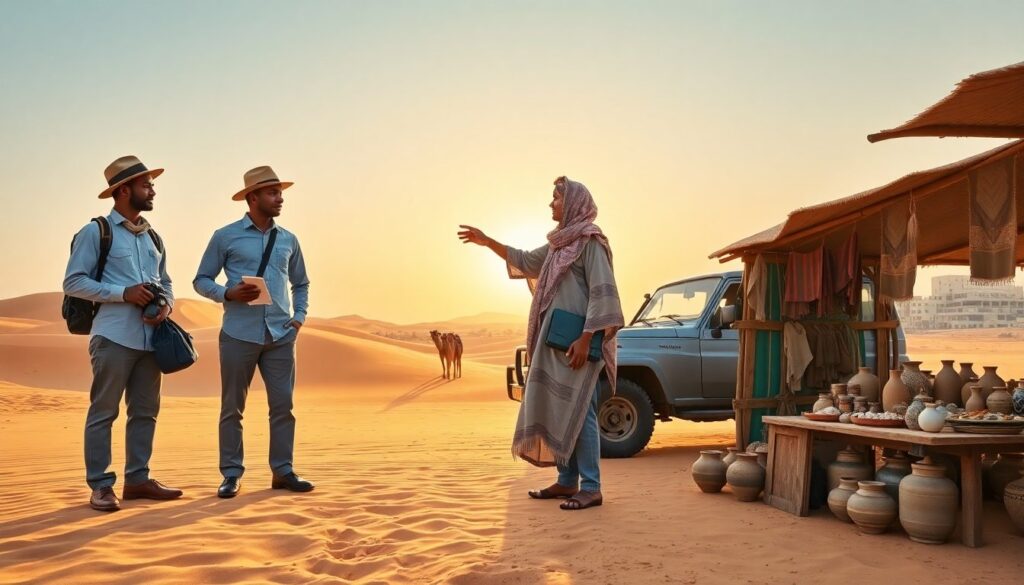
saharahausa traveling allows unique opportunity in ways few trips do. The trip mixes desert life and Hausa culture. It gives travelers direct contact with local people, music, food, and landscapes. It creates chances to learn practical survival skills and to see sites that few visitors reach. This guide explains why the trip stands out and how travelers can prepare to make the most of it.
Key Takeaways
- Saharahausa traveling offers a unique opportunity to experience the contrast between vast desert landscapes and vibrant Hausa town life firsthand.
- Travelers gain authentic cultural immersion by living near Hausa families and engaging with local customs, crafts, and traditions.
- The trip provides exceptional photography and adventure experiences, including sunrise dune shots and guided desert explorations.
- Proper planning is essential, with the best travel times in autumn and winter, secured permits, and reliable transport options like camels and sturdy vehicles.
- Responsible travel practices, such as respecting local customs, supporting the local economy, and minimizing environmental impact, enhance the Saharahausa traveling experience.
Why Traveling Through The Sahara And Hausa Regions Is Unlike Any Other Trip
saharahausa traveling allows unique opportunity because it pairs vast deserts with rich town life. The desert offers wide skies, dunes, and silence. The Hausa areas offer markets, crafts, and strong local traditions. Travelers see ancient trade routes and modern life side by side. They meet herders, traders, and artisans. They learn simple survival skills and local customs. The trip shifts a traveler’s sense of scale. It also gives new perspectives on history and daily life.
Authentic Cultural Immersion In Hausa Communities
saharahausa traveling allows unique opportunity to live near Hausa families. The trip places visitors in community settings. The trip helps travelers observe rituals, crafts, and market life. The travelers gain insight through steady presence rather than short visits. The locals share stories about their history and work. The travelers form respectful connections when they learn a few phrases and follow simple rules. The travel experience stays with the traveler long after the trip ends.
Photography, Adventure, And Landscape Experiences In The Sahara
saharahausa traveling allows unique opportunity to photograph dunes at sunrise. The light shows strong shapes and long shadows. The traveler crosses sand flats, visits oases, and follows camel caravans. The guides point out animal tracks and seasonal plants. The traveler keeps equipment safe from sand and heat. The trip asks for patience and steady breathing during hot midday. The desert gives simple, strong scenes that work well for wide photos and quiet video.
Practical Planning: Best Times, Routes, Permits, And Transportation
saharahausa traveling allows unique opportunity when travelers plan well. The best months avoid peak heat and heavy rains. Travelers pick autumn and winter months for cooler days. The routes use main towns, oases, and vetted desert tracks. Travelers check local rules and secure permits when needed. The trip uses sturdy vehicles, camels, or a mix. The traveler packs water, sun protection, and simple first aid. The traveler hires a local guide for safety and accurate routing.
Responsible Travel Tips: Safety, Respect, And Supporting Local Economies
saharahausa traveling allows unique opportunity when travelers act with respect. The traveler follows local dress codes and asks before photographing people. The traveler uses polite phrases and gives fair payment for goods and services. The traveler avoids single-use plastic and carries reusable items. The traveler joins local guides and hires local drivers to keep income in the community. The traveler reads basic safety advice and keeps family contacts informed. The traveler donates time or money only when the local partner requests it.