
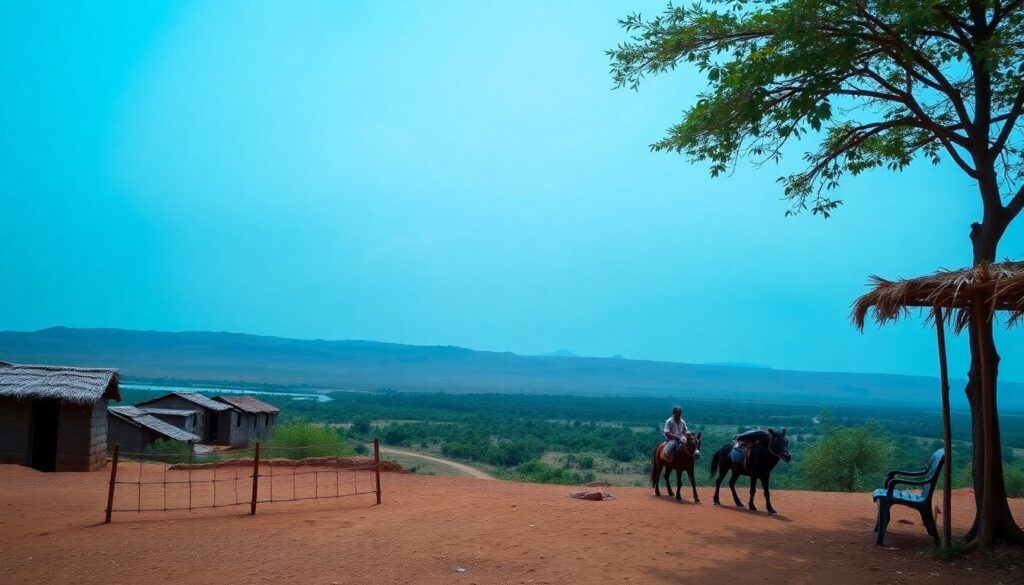
The travel budget saharahausa archives help readers plan cheap trips in West Africa. The archives list real costs, sample itineraries, and daily spending breakdowns. The archives include transport, lodging, food, and activity estimates. The archives show costs by season and by country. The archives let readers set realistic budgets and avoid surprises on the road.
Key Takeaways
- The travel budget SaharaHausa archives provide detailed, real cost breakdowns for transport, lodging, food, and activities across West Africa, enabling travelers to set realistic budgets.
- Using the archives, travelers can build daily budgets by selecting relevant country posts, adjusting for seasonality, and adding contingency funds to avoid unexpected expenses.
- The archives highlight money-saving strategies such as using shared taxis, eating at markets, choosing affordable guesthouses, and traveling by night when safe.
- Travelers benefit from the archives’ advice on avoiding scams, using local currency, and taking advantage of free museum days and seasonal transport deals.
- Regularly updating the archive entries with real travel receipts encourages a community-driven resource that helps future travelers plan affordably.
What The SaharaHausa Travel Budget Archives Cover And Why They Matter
The travel budget saharahausa archives store past posts about costs for West African travel. Each post lists prices for transport, guesthouses, meals, and local guides. The archives include ticket prices for buses and shared taxis and estimates for flights within the region. The archives show sample daily budgets for city days and market days. The archives track festival and peak-season price shifts. Readers use the archives to compare current prices to past prices. The archive data help travelers decide when to travel and how much cash to carry. The archive posts also note common scams and fees to avoid. The archive entries include user comments that confirm or correct price details. The travel budget saharahausa archives hence act as a practical price library for planning affordable trips.
How To Use The Archives To Build A Realistic, Day-By-Day Budget
The travel budget saharahausa archives provide daily cost examples that readers can adapt. First, the reader picks posts that match the intended countries and travel pace. Next, the reader copies daily expense lines for transport, meals, and lodging into a spreadsheet. Then, the reader adjusts each line for inflation and season. The reader increases transport and lodging on festival dates. The reader decreases food and local transport on slow rural days. The reader sums daily lines to get a trip total. The reader adds a contingency of five to ten percent for emergencies. The travel budget saharahausa archives also list sample itineraries that show where daily costs rise and fall. The reader uses those samples to plan cheaper travel days and to cluster expensive activities to reduce repeat transport costs.
Proven Money-Saving Strategies Pulled From SaharaHausa Archives
The travel budget saharahausa archives list small habits that reduce daily costs. Travelers book shared taxis and local buses when the archives show big savings over private cars. Travelers eat at markets and street stalls when the archives show fresh food at lower prices. Travelers choose guesthouses that the archives rate for cleanliness and low cost. Travelers travel by night to save on lodging when the archives confirm safe night routes. Travelers join local day tours that the archives note as cheaper than private hires. Travelers use local sim cards and data plans to avoid high roaming fees noted in archive posts. Travelers carry refillable water bottles when the archives list bottle costs as a daily drain. Travelers use local currency for market purchases when the archives note that card machines charge extra fees. Travelers visit museums and parks on free days when the archives list those dates. Travelers bundle activities in one location when the archives show transport costs rise with distance. The travel budget saharahausa archives also suggest flexible travel dates to catch lower fares. The archives record seasonal deals on regional buses and ferries. The archives advise booking basic lodging in advance for festival dates. The archives recommend low-cost cooking gear or shared kitchens for longer stays. Finally, the archives encourage tracking expenses daily and updating the archive entries with real receipts to help future readers plan affordably. The travel budget saharahausa archives hence serve as both a guide and a community price-check for budget travel in West Africa.