
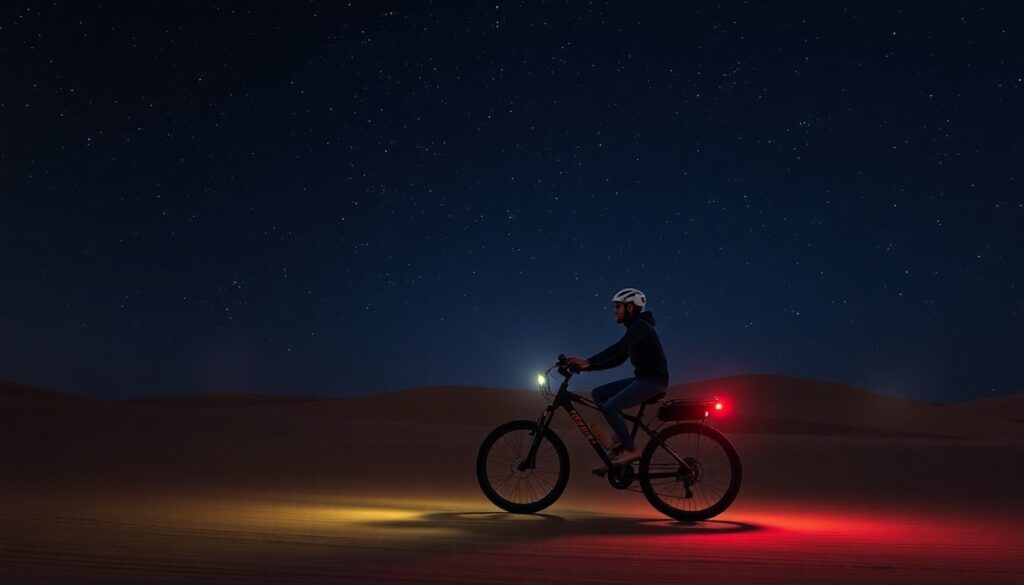
travel safety stargazing cycling saharahausaam guides riders who want to bike and view the night sky in remote West African deserts and plateaus. The guide sets clear steps for routes, timing, gear, and local rules. It warns about weather, wildlife, and health risks. It helps riders plan safe rides and calm nights under bright stars.
Key Takeaways
- Travel safety stargazing cycling saharahausaam requires thorough route, timing, and gear planning to ensure safe night rides and clear stargazing experiences.
- Riders should use appropriate lighting and ride in groups while practicing clear communication to enhance safety on desert night roads.
- Understanding local customs, legal requirements, and health precautions is crucial for a smooth Sahara/Hausa cycling and stargazing adventure.
- Preparing for emergencies with navigation tools, communication plans, and essential medical supplies reduces risks during remote desert rides.
- Flexible scheduling around weather, festivals, and local events improves safety and maximizes enjoyment during travel safety stargazing cycling saharahausaam.
- Testing gear and consulting local guides before serious night rides help riders adapt to desert temperatures and terrain challenges.
Plan Your Route, Timing, And Gear For Night Cycling And Stargazing
Riders should research each road and settlement. They should check recent maps and local reports. They should note towns, fuel stops, and police posts. They should avoid isolated tracks after rain. They should favor main roads that locals use.
They should choose dates with clear skies. They should check moon phase and local weather. They should schedule long rides for the day and stargazing for the night. They should rest before long night legs.
They should pack lights and back-up batteries. They should bring a strong headlamp and a front light that meets local rules. They should bring reflective clothing and simple spare parts. They should store water in insulated bottles and carry a lightweight shelter.
They should include navigation tools. They should carry a paper map, a charged GPS, and a powered phone with offline maps. They should mark safe places to stop for the night. They should plan no more than two long riding days between towns.
They should test gear in similar conditions. They should ride a few local night rides first. They should confirm that bike lights stay bright through long runs. They should confirm that tents and sleeping bags work for desert temperatures.
They should consult local guides. They should hire a guide when they enter remote areas. They should meet local riders and learn safe camping spots. They should respect seasonal movement of herders and livestock.
They should consider timing for festivals and market days. They should check local calendars and avoid crowded caravan routes. They should pick quiet nights to reduce safety risks and to improve stargazing. They should keep plans flexible when weather or events change.
Riders who plan well reduce risks. Riders who follow route, timing, and gear steps gain more safe nights under clear stars. travel safety stargazing cycling saharahausaam appears in their notes and reminders.
Essential On‑Ride Safety Practices For Night Riding And Observing The Sky
Riders should use lights that balance visibility and night vision. They should dim or cover a headlamp when they stop to look at stars. They should set rear lights on steady mode when they ride on main roads. They should switch to a low beam when cars approach.
They should ride in groups when possible. They should keep short gaps between riders. They should assign one rider to watch the map and one to watch the route.
They should slow down on unknown surfaces. They should expect sand, washouts, and sudden dips near wadis. They should scan the ground 10 meters ahead when they ride. They should call out obstacles and use simple hand signals.
They should protect hearing and sight. They should avoid loud music that hides traffic sounds. They should use a small red light while stargazing so eyes adjust to darkness. They should allow 20 minutes for eyes to adapt when they switch from bright lights to dark skies.
They should manage hydration and food. They should drink small amounts often. They should eat steady, salty snacks on long nights. They should avoid alcohol before or during rides.
They should practice emergency stops and repairs. They should know how to fix a flat by feel in the dark. They should carry a basic tool kit and a compact patch kit. They should carry a small fuel stove for hot drinks and simple repairs.
They should log riding plans with a contact. They should send a daily check-in message when they start and when they stop. They should set a check-in time and a fail-safe number.
They should keep travel safety stargazing cycling saharahausaam as a checklist item. They should review it before each night ride.
Cultural, Legal, Health, And Emergency Preparedness For Sahara/Hausa Travel
Riders should learn local customs before arrival. They should use polite greetings and dress modestly in towns. They should ask permission before photographing people. They should respect local leaders and local rules.
They should check visa and permit rules. They should confirm border crossing requirements early. They should register with local authorities when required. They should carry printed copies of key documents.
They should protect health with vaccines and supplies. They should get recommended vaccines and carry malaria prevention if advised. They should pack a first aid kit with wound care, antibiotics, and rehydration salts. They should carry personal medicines in original containers.
They should know common illnesses and signs. They should watch for dehydration, heat exhaustion, and sand-related eye irritation. They should seek care early when symptoms worsen. They should avoid self-medicating beyond basic first aid.
They should prepare for emergencies with clear steps. They should list local clinics and ambulance numbers. They should mark embassy contact details. They should carry an emergency beacon or satellite communicator when they enter remote zones.
They should plan for vehicle or bike recovery. They should know local towing options and repair shops. They should budget extra funds for emergency transport and spare parts. They should carry cash in small denominations for remote purchases.
They should learn local security advice. They should avoid travel after dusk in unstable areas. They should follow advice from local authorities and guides. They should leave campsite details with a trusted contact.
They should keep travel safety stargazing cycling saharahausaam in their emergency notes and phone contacts. They should update those notes as conditions change.