
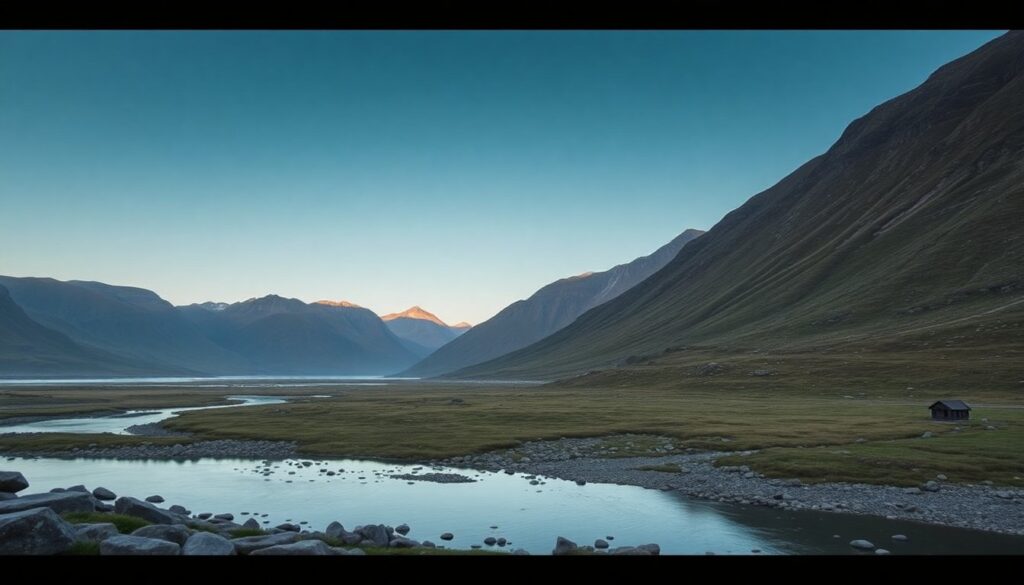
Explored from thrufag korpar, the region shows sharp ridges, broad valleys, and remote villages. The guide describes where it sits, what matters there, and why travelers care. It sets clear expectations. It lists seasons, access, and basic customs. It points to key sites and simple travel steps. It prepares readers for an efficient, safe visit.
Key Takeaways
- Thrufag Korpar is a strategically located coastal region known for its sharp ridges, broad valleys, and unique cultural heritage.
- Travelers exploring from Thrufag Korpar can expect distinct seasons, quick weather changes, and access to key natural attractions like the Glass Cliffs and Salt Fen.
- The region’s wildlife includes migratory shorebirds and rare plants, with conservation efforts protecting sensitive habitats and promoting sustainable tourism.
- Local culture features a coastal dialect, fresh seafood cuisine, and communal hospitality, encouraging respectful interaction from visitors.
- Explored from Thrufag Korpar, the area offers efficient travel planning with clear guidelines on customs, seasonal conditions, and local services for a safe and enriching visit.
Where Thrufag Korpar Is And Why It Matters
Thrufag Korpar sits on a coastal shelf between two mountain ranges. Researchers map it as part of a mid-latitude island chain. The location gives it strategic value for shipping and regional trade. Local communities rely on fishing and small-scale farming. Visitors note its mix of isolation and access. Those who explored from thrufag korpar report fast weather shifts and clear night skies. Scientists study its geology for rare minerals. Economists track its ports for seasonal cargo flows. The region matters to planners and to travelers who want quiet landscapes and distinct culture.
Geography, Climate, And Key Natural Attractions
The land rises from low beaches to steep plateaus. Rivers cut deep gorges and form narrow valleys. The coast holds sheltered bays and rocky headlands. Rain falls mostly in late autumn and winter. Summers bring dry days and strong sun. Wind patterns shift with the mountain passes. Key natural attractions include the Glass Cliffs, the Salt Fen, and the High Moor. Hikers follow marked ridgelines to reach panoramic overlooks. Fisherfolk use tidal flats at low water. Photographers favor sunrise at the Glass Cliffs for soft light. Local guides offer short day trips and multiday routes for remote lakes. Many who explored from thrufag korpar praise the light and the quiet.
Wildlife, Flora, And Conservation Highlights
The region hosts shorebirds, mountain grouse, and a small deer species. Migratory flocks stop at the Salt Fen each spring. Native shrubs dominate the plateaus. Moss and low grasses cover the High Moor. Conservation teams monitor nesting sites and rare plant stands. Protected zones limit motor access to sensitive areas. Volunteers help with fencing and trail repair. Research teams track changes in species distribution after storms. Those who explored from thrufag korpar often join guided bird surveys. The local park authority publishes seasonal alerts and maps for visitors.
A Brief History And Foundational Myths
People settled the coastal shelf centuries ago. Traders moved goods between islands and mainland ports. Fortified watch posts once guarded the main channel. The area passed through several small states before modern administration formed. Local myths tell of a sea spirit that guided early fishers. Storytellers pass a tale about a lost lighthouse keeper who turned into a reef light. Communal festivals recall those sea stories with songs and simple plays. Historians note trade records that show steady links with distant markets. Scholars who explored from thrufag korpar found old maps and tavern logs in regional archives.
Local Culture, Language, And Everyday Life
Villagers speak a coastal dialect that mixes island words and standard language. Markets open early with fish, loaves, and simple crafts. Meals center on fresh fish, root vegetables, and a flatbread. Families keep small plots and share labor during harvest. Craftspeople carve wood and make woven nets. Music favors call-and-response songs and small percussion. The community values help and hospitality. Visitors who explored from thrufag korpar note slow meal times and clear rules for guest conduct. Shops accept cash and mobile payments in larger towns. Public services run on a modest schedule. Travelers should respect local time and pace.