
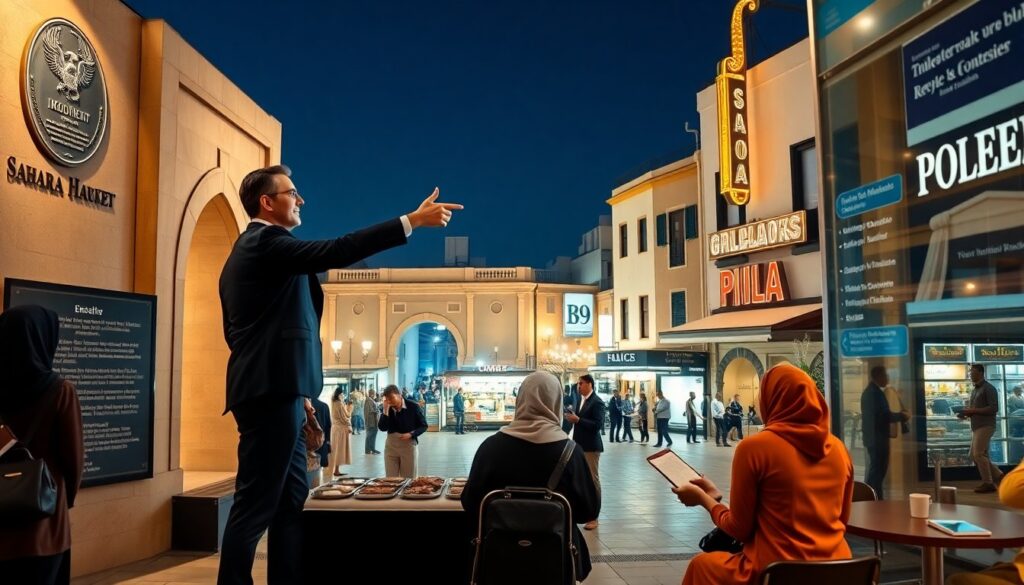
its rich history saharahausa thriving nightlife sits at the start of many travel plans. The guide gives clear facts and useful tips. It shows where history meets modern life. It points readers to key sites and lively evening spots. It prepares readers to respect local customs and enjoy late-night music, food stalls, and social venues.
Key Takeaways
- SaharaHausa’s rich history as a trading hub shaped its unique cultural heritage and city-states.
- Visitors should explore landmark sites like markets and festivals to experience SaharaHausa’s living traditions.
- The city has evolved into a modern cultural hub with theaters, galleries, and festivals blending history with contemporary arts.
- Nightlife in SaharaHausa features distinct districts offering night markets, bars, and performance venues with a safe and vibrant atmosphere.
- Respectful dress and awareness of local customs enhance the experience of SaharaHausa’s thriving nightlife and social scenes.
- Engaging with local artisans by purchasing crafts supports families and preserves SaharaHausa’s cultural skills.
Origins And Historical Highlights That Shaped SaharaHausa
SaharaHausa began as a cluster of trading settlements on caravan routes. The people traded kola, salt, and cloth. Rulers formed city-states that managed trade and justice. Empires rose and fell here, and each ruler left administrative and cultural marks. Colonial contact shifted borders and introduced new languages and infrastructure. Independence movements in the 20th century changed governance and sparked cultural revival. Today, historians trace law codes, trade records, and family chronicles to map social shifts. Visitors can read those records and see the layers that shaped modern SaharaHausa.
Cultural Heritage And Landmark Sites To Visit
SaharaHausa hosts visible heritage across its towns. Markets, public squares, and sacred sites show daily life and memory. Guides recommend walking old lanes early in the day. They also recommend respectful dress and asking before photographing people. Local festivals occur at set calendar dates and draw families and performers. Museums and historical plaques offer context and timelines. Small community centers run workshops in crafts and language. Travelers can buy textiles and foods made by local artisans. Each purchase helps families and keeps craft skills alive.
How SaharaHausa Evolved Into A Modern Cultural Hub
Urban growth and investment changed old trade towns into cultural centers. New theaters and galleries opened in renovated warehouses. Universities added courses in local history and performing arts. Entrepreneurs started creative businesses that blend craft and design. Festivals now attract regional tourists and international guests. Public transport connects neighborhoods and eases access to venues. Technology expanded radio and online platforms that stream local music and lectures. Local leaders set rules to protect heritage while allowing new uses. This balance draws artists and visitors who seek authentic cultural exchange and lively public life.
Nightlife Scene: Districts, Venues, And Local Vibes
Nightlife centers around three main districts. One district holds night markets and food stalls. Another hosts bars, small clubs, and late cafés. A third district focuses on performance venues and cultural halls. Street lighting and police patrols keep many areas safe after dark. Vendors sell grilled meats, flatbreads, and fried snacks until late. Venues set modest cover charges and offer local beers and nonalcoholic drinks. Dress is casual but respectful. Locals mix family outings with later adult gatherings. Visitors should confirm opening hours, as some sites close early on certain weekdays.