
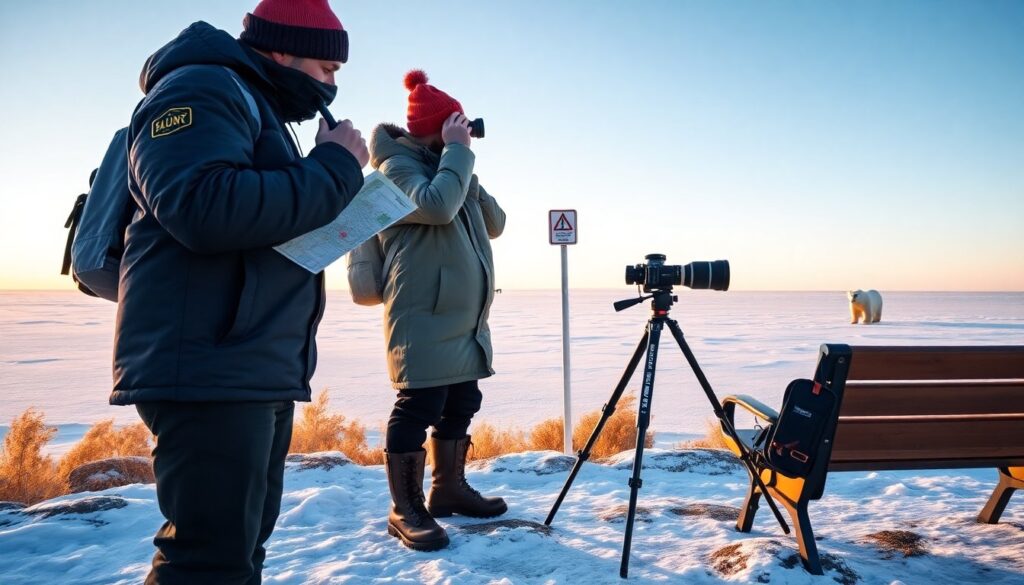
SaharaHausa polar bear sighting guide helps travelers plan safe trips and find reliable viewing areas. The guide lists best times, nearby habitats, and practical safety measures. It highlights local guides, permit needs, and photo tips. It aims to reduce risk and improve chances of good sightings. Readers learn where to go, what to bring, and how to act around polar bears.
Key Takeaways
- The SaharaHausa polar bear sighting guide identifies coastal headlands and sea-ice edges, especially between late November and March, as the best times and places to spot polar bears safely.
- Following strict safety measures—such as maintaining distance, using bear deterrents, and traveling in groups—are essential to safely observe wild polar bears.
- Securing permits and hiring accredited local guides familiar with bear behavior and habitat regulations significantly enhances both safety and sighting success.
- Practical advice like bringing satellite phones, wearing subzero-rated clothing, and using telephoto lenses ensures preparedness for harsh conditions and effective wildlife photography.
- Respecting wildlife etiquette—including avoiding loud noises, not feeding bears, and following local rules—helps protect the animals and preserves viewing opportunities for the future.
Best Places And Times To Spot Polar Bears Near SaharaHausa
SaharaHausa polar bear sighting guide recommends coastal headlands and sea-ice edges as prime spots. In winter, polar bears move closer to shore to hunt seals. Travelers should target late November through March for higher sighting chances. Local communities report consistent sightings at three sites: North Point, Ketch Bay, and Frost Inlet. Each site offers open views and safe distances from human settlements.
Observers should plan dawn and dusk trips. Polar bears hunt at low light. Early morning visits often show bears tracking seal breathing holes. Evening light gives dramatic photos and calm behavior. Weather affects access. Heavy storms force bears to shelter and reduce sightings. Sea-ice conditions change year to year. The guide advises checking ice reports before travel.
SaharaHausa polar bear sighting guide names seasons for specific behaviors. Mating season in spring brings more movement and visual encounters on ice. Females with cubs prefer sheltered bays in late winter. Males travel longer distances and may appear near whale carcasses or fishing sites. The guide stresses patience. Observers often wait hours to see bears move into view.
The guide lists viewing rules for each place. North Point requires visitors to stay on marked platforms. Ketch Bay allows guided shore walks at set times. Frost Inlet permits small boats with licensed skippers during calm seas. The guide recommends flexible itineraries to follow local reports. Tour operators update routes daily based on bear activity and weather.
Safety First: Behavior, Essential Gear, And Wildlife Etiquette
SaharaHausa polar bear sighting guide stresses that polar bears are wild predators. Observers must assume they can act unpredictably. The guide lists basic behavior signs: standing to smell, pacing, staring, and scent-marking. If a bear stands tall, it may be curious. If it charges, it may bluff. Visitors should stay calm, keep distance, and retreat slowly.
The guide lists essential gear for safe visits. Carry a satellite phone and a personal locator beacon. Wear layered clothing rated for subzero temperatures. Use insulated boots and windproof outerwear. Bring binoculars and a telephoto lens to keep distance. Carry bear deterrents approved by local authorities. The guide warns that firearms require permits and training.
SaharaHausa polar bear sighting guide gives clear etiquette rules. Observers must avoid loud noises, sudden movements, and direct eye contact. They must not feed or approach bears. They must store food in bear-proof containers. They must follow guide instructions and local laws. The guide notes that cubs will attract attention but also increase danger. People should never separate a cub from its mother.
The guide recommends group travel. Bears less often approach larger groups. Guides set up safety perimeters and watch zones. They post lookouts while people move. The guide also recommends evacuation plans. Each trip should include a planned escape route, a shelter location, and communication checks. These steps reduce risk and help staff manage emergencies.
Planning Your Trip: Permits, Local Guides, Transportation, And Photography Tips
SaharaHausa polar bear sighting guide tells readers to secure permits early. Many sites require research permits and community permissions. Permit offices may need travel dates, guide names, and insurance details. Local authorities sometimes limit visitors to protect bear habitats. The guide advises booking slots as soon as dates firm.
The guide recommends hiring a local guide. Local guides know bear patterns, safe routes, and permit rules. They read signs that tourists might miss. They also handle transport and emergency contacts. The guide suggests choosing guides with accredited training in bear behavior and first aid. It advises confirming guide credentials and insurance before payment.
Transportation plans must match weather and ice. The guide outlines common options: small boats, skiffs, snowmobiles, and sea-ice vehicles. It advises choosing vessels with experienced skippers. It recommends winter tires and spare fuel for road travel. The guide also notes that some remote roads require convoy travel with a radio.
SaharaHausa polar bear sighting guide gives practical photography tips. Use a telephoto lens of 300mm or longer to stay safe. Lock exposure to avoid blown whites on ice. Use a tripod for stability and low light. Frame shots with ice or shoreline to show scale. Keep camera settings ready: polar bears move quickly. The guide suggests shooting in RAW for better detail recovery.
The guide covers ethics for photos. Do not use flashes that startle bears. Do not entice bears with food for better shots. Respect local rules about publishing site coordinates. Many communities ask visitors not to share exact locations to limit disturbance. The guide supports those rules to protect bears and preserve future viewing opportunities.