

Have you ever stumbled upon something so fascinating that it feels like a treasure just waiting to be uncovered? Welcome to the world of Saharahausa. This gem isn’t just an overlooked corner of our globe: it’s a vibrant tapestry woven with history, culture, and the kind of storytelling that can turn ordinary days into extraordinary adventures. Join us as we jump into the depths of Saharahausa and explore why it’s not only significant but also a must-visit for those itching to experience the essence of a unique culture.
Saharahausa
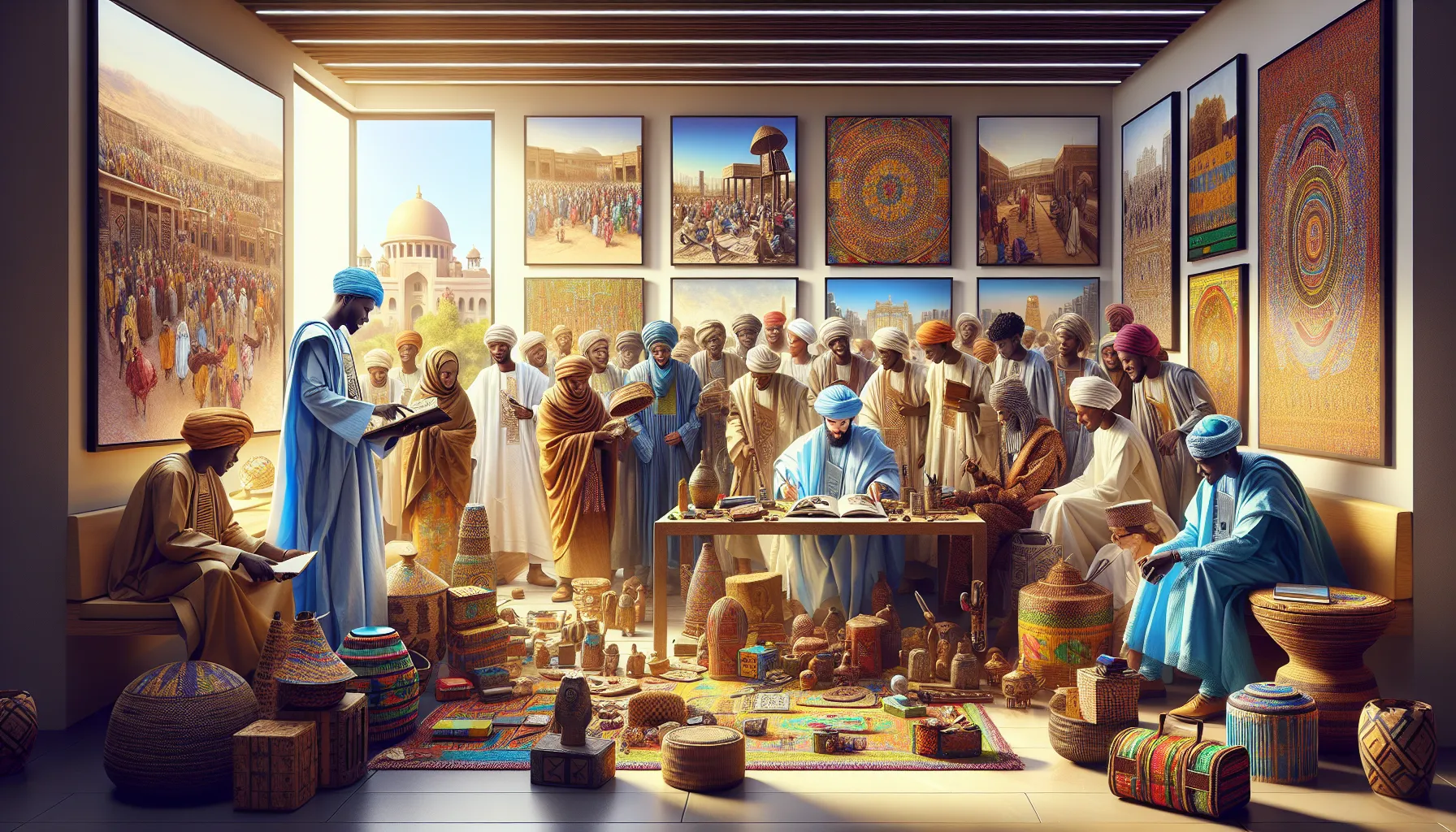
Saharahausa refers to the rich cultural and historical identity of the Hausa people, primarily found in the Sahara region of Africa. Originating from the Sahel region, the Hausa have a longstanding legacy that stretches across centuries. Their language, customs, and social structures are intricate and telling of a vibrant history. With over 40 million speakers, Hausa is one of the most widely spoken languages in Africa, serving as a lingua franca in various regions. By understanding Saharahausa, we get a glimpse into not just a culture, but the interconnectedness of West African societies, influencing trade, agriculture, and even politics. This cross-cultural exchange is the backbone of Saharahausa, making it a pivotal subject for anyone eager to grasp the dynamics of modern African heritage.
Cultural Significance of Saharahausa
The cultural significance of Saharahausa cannot be overstated. It embodies a collection of traditions, from music and art to storytelling and cuisine, all reflecting the experiences and values of the Hausa people. Music genres like the famous Kanyanki, resonate deeply within the community, bringing joy and fostering unity. Also, traditional crafts such as leatherwork, weaving, and pottery showcase the Hausa artisans’ skills passed down through generations.
We shouldn’t forget the grand festivities that punctuate the Hausa calendar. Events like Eid el-Fitr and Musho Dawa see communities come alive with colors, sounds, and aromas that are nothing short of breathtaking. Celebrating these festivities not only strengthens cultural ties but also educates outsiders about the values and beliefs of the Hausa. Eventually, engaging with Saharahausa allows us to appreciate the diverse mosaic of human expression.
Key Features of Saharahausa
When we talk about Saharahausa, certain key features stand out. The first is undoubtedly the language itself. Hausa, with its melodious pronunciation and rich vocabulary, serves as a vessel for cultural expression. Its proverbs and idioms are treasures of wisdom that add depth to everyday conversations.
Next, we must investigate into the clothing and adornments of the Hausa. Traditional garments, such as the baban riga for men and beautifully embroidered zani for women, tell stories of class, region, and individual identity. The vibrant patterns and colors aren’t just mere aesthetics: they symbolize the wearers’ roots and social standing.
Food is another critical feature. Hausa cuisine, rich in flavors, heavily features grains, vegetables, and meats, note the hearty tuwo or the irresistible suya. Not only do these dishes satisfy our hunger, but they also bring us together, forging bonds over shared meals.
The Role of Saharahausa in Modern Society
In today’s globalized world, Saharahausa plays a significant role in bridging cultures and fostering understanding. As African nations make strides in economic development, the Hausa community is at the forefront, enriching various sectors, including trade and education. The Hausa language has become a gateway for many who are interested in exploring African cultures, prompting universities and institutions to offer classes in it.
Besides, we see the creative industry thriving with Hausa filmmakers, musicians, and artists gaining recognition both locally and internationally. This visibility invites a broader audience to appreciate and engage with Saharahausa, ensuring that its influence continues to be felt beyond national borders.
Challenges Facing Saharahausa Today

Even though its rich heritage, Saharahausa faces several challenges in today’s world. One major issue is the risk of cultural dilution. Globalization, while connecting us in many ways, often threatens to overshadow traditional practices, with younger generations increasingly drawn to Western influences. This cultural tension raises concerns about preserving authentic Hausa traditions.
Also, socio-economic challenges, including poverty and limited access to education in some regions, put strains on cultural transmission. Empowering the communities through education and resources is vital to safeguarding Saharahausa’s legacy. We must advocate for balanced development that respects and preserves cultural identities while promoting progress.